Planning a house extension involves more than deciding how much extra space you need. From defining how you want to use the space and setting a realistic budget to checking planning permission, permitted development rights and building regulations, there are several important decisions to make before construction begins.
For homeowners in St Albans, Harpenden and across Hertfordshire, local planning considerations can also affect what you can build and where. This guide explains how to plan a house extension step by step, while making sure the design works for your lifestyle, property and long-term needs
Start With Your Lifestyle, Not Square Metres
Before you speak to an architect or builder, take time to examine how your household functions day to day. The best home extensions are not the biggest or the most expensive, they’re the ones that solve real friction points in daily life and give your family room to breathe, work, cook, and connect.
Ask yourself the following questions honestly:
- Family dynamics: How many people live here? Are children growing up and needing more independent space? Are elderly parents moving in?
- Working from home: Do you need a dedicated, insulated home office with proper acoustics and natural light? A kitchen table no longer cuts it.
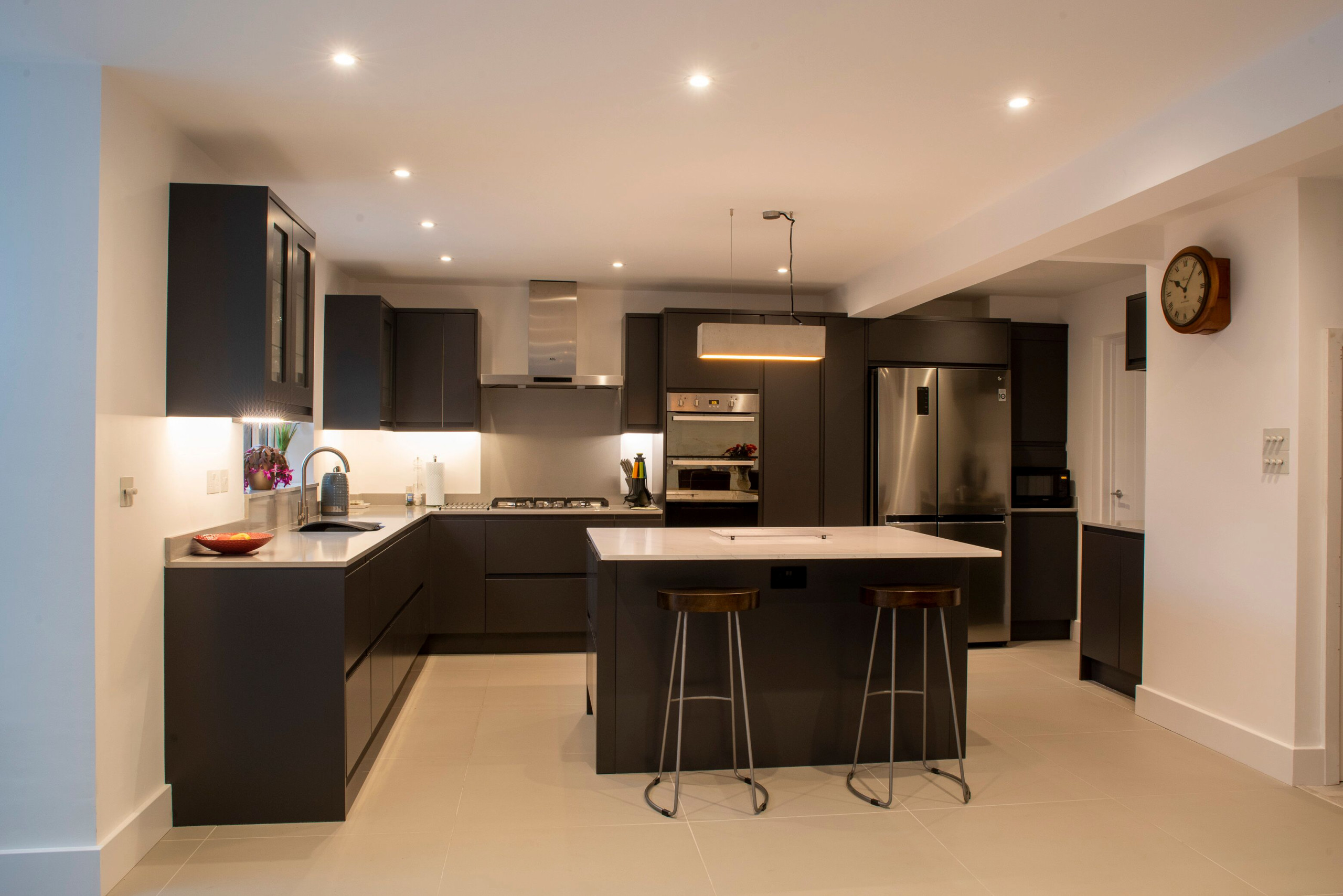
- How you cook and eat: Do you host large family dinners? Do you want to cook and still be part of the conversation? An open plan may transform your life.
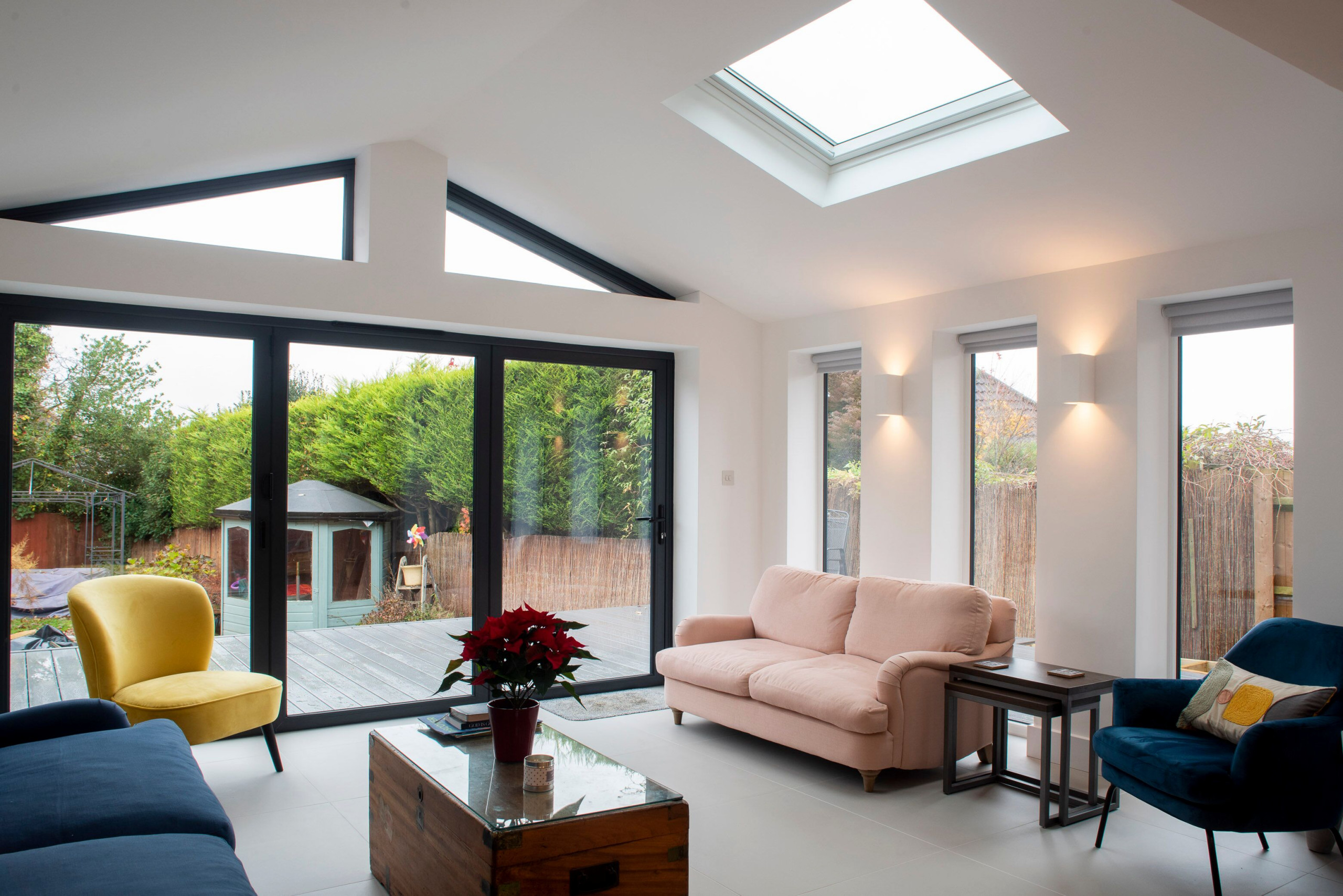
- Indoor-outdoor living: Do you love your garden but find it disconnected from the house? Bifold or sliding doors can completely change this relationship.
Understanding your lifestyle priorities upfront is what separates a home extension you’ll love in 20 years from one that merely adds value on paper. It also prevents costly design changes partway through the build, which is one of the most common sources of budget overruns.
Every extension we build starts with the same question: how does this family live? Get that right, and everything else follows.
— Andy Ryder, Founder & Director, ACR Build
- Choosing the Right Type of Home Extension
There are several common types of home extension in the UK, and the right choice depends on your property footprint, budget, and, crucially, your lifestyle goals.
Rear Single-Storey Extension
The most popular choice for UK homeowners. A rear extension adds space to the back of your property, typically creating a larger kitchen, an open-plan kitchen-diner, or a new living area. It’s ideal if you want to connect more naturally to the garden. Under Permitted Development rights, many rear extensions can be built without full planning permission (subject to size limits and location).
Wraparound Extension
A wraparound extension combines a rear extension with a side-return extension particularly powerful on Victorian and Edwardian terraces, where the side alley often goes to waste. Wrapping around the back and side of the house creates a dramatic L-shaped footprint and can genuinely transform how the ground floor feels and flows.
Side-Return Extension
Common in period terraced properties in areas like St Albans and Harpenden, a side-return extension fills in the narrow alley running alongside the house. While it adds less square footage than a rear extension, it can transform a dark, poky kitchen into a bright, workable space, particularly when paired with a roof lantern or rooflight.
Double-Storey Extension
A two-storey extension maximises the return on your build costs by adding space on both floors simultaneously. Often used to add a bedroom and bathroom above a new kitchen. Usually requires full planning permission, but the cost per square metre is significantly lower than building two separate extensions at different times.
Over-Structure Extension
Building above an existing garage or ground-floor addition. This is an efficient way to add a bedroom, home office, or annexe without touching the garden footprint. Popular in Hertfordshire, where garden space is valued.
Loft Conversion
Technically, an extension into unused roof space, a loft conversion typically adds one or two bedrooms and a bathroom. It’s the highest-value extension type per square metre in terms of added property value, and often falls under Permitted Development. Dormer loft conversions are the most common in the Southeast.
Key Consideration
In conservation areas which cover significant portions of St Albans and parts of Harpenden, Permitted Development rights are often restricted or removed entirely. Always check your permitted development rights with your local planning authority before commissioning drawings.
- Planning Permission and Permitted Development Rights (UK, 2025–2026)
One of the most confusing aspects of planning a home extension in the UK is navigating the rules around planning permission. Understanding the current framework can save you weeks of delay and hundreds of pounds in unnecessary applications.
What Is Permitted Development?
Permitted Development (PD) rights allow homeowners to carry out certain types of building work without applying for full planning permission, provided the work meets specific criteria set by the government’s General Permitted Development Order. For home extensions, the key permitted development rules for single-storey rear extensions (as of 2025) are:
- Extends no more than 4 metres from the original rear wall of a detached house, or 3 metres for other house types
- Under the Neighbour Consultation Scheme (Prior Approval), these limits extend to 8m (detached) and 6m (other), subject to neighbour objections
- Maximum height of 4 metres, or 3 metres when within 2 metres of the boundary
- No more than half the area of the original garden is covered by extensions and outbuildings
- Materials are similar in appearance to those of the existing house
- Property is not in a conservation area, Area of Outstanding Natural Beauty (AONB), or World Heritage Site
- Property is not a listed building
When Do You Need Full Planning Permission?
You will need to submit a full planning application to your local authority (e.g., St Albans City & District Council or Hertfordshire County Council for certain matters) if your extension:
- Exceeds the Permitted Development size limits
- Is it on a listed building or in a conservation area
- Involves significant changes to the front elevation visible from the street
- Is a two-storey addition closer than 7 metres to the rear boundary
Building Regulations: Always Required
Even when planning permission is not required, Building Regulations approval is always mandatory for structural extensions. Building Regs cover structural integrity, fire safety, energy efficiency, drainage, ventilation, and damp-proofing.
- Creating a Design Brief That Reflects How You Live
Once you have a clear sense of your lifestyle priorities and the type of extension that suits your property and planning context, the next step is creating a design brief for your architect or design-and-build team. A thorough brief prevents costly late changes and ensures the final design solves your day-to-day problems.
Key Elements of a Lifestyle-Led Design Brief
Spatial flow and connection: Think about how you move through your home. Does the new extension need to connect seamlessly to the existing kitchen? Should it have a separate entrance for a home office client? Should it flow directly out to a terrace or garden?
Light and aspect: Consider which direction your garden faces. A south-facing rear extension can be flooded with natural light, perfect for an open-plan family space. A north-facing extension requires careful design, including roof lights or clerestory windows, to avoid a dark, cold room. Your builder should advise on this.
Acoustic requirements: A home office needs to feel quiet and professional. A playroom benefits from sound separation from the rest of the house. A music room needs acoustic treatment built into the walls.
Storage: One of the most underplanned aspects of any extension. Think about utility storage, boot rooms, built-in shelving, larder cupboards, and concealed under-stair storage. A good builder will flag opportunities you may not have considered.
Futureproofing: Will you need a downstairs bedroom and wet room for accessibility as you age? Do you want the option to create a self-contained annexe? Planning for future flexibility now avoids major disruption later.
Design Considerations by Lifestyle Type
- Families with young children: Open-plan kitchen-diner-play area with durable flooring; larder cupboards; utility room; direct garden access
- Remote workers: Dedicated Garden office or over-structure home office; soundproofing; separate entrance; broadband infrastructure built in
- Entertainers: Large open-plan kitchen with kitchen island; bifold or sliding doors to terrace; seamless inside-outside flow; wine storage
- Multi-generational households: Annexe with self-contained living, kitchen, bathroom; wide doorways; step-free access; separate metering
- Home fitness enthusiasts: Ground-floor gym extension with rubber flooring and ventilation; potential sauna or treatment room
- Sustainability, Energy Efficiency and Futureproofing
Since the 2021 update to Part L of the Building Regulations, all new extensions must meet tighter energy performance standards. But beyond compliance, designing your extension with sustainability in mind from the outset can reduce energy bills significantly and future-proof your home against further regulatory changes.
Key Energy-Efficient Design Choices
High-performance glazing: Triple-glazed units are increasingly standard in quality extensions. When specifying large areas of glazing (bifold doors, roof lanterns, rooflights), ensure the U-values are low enough to prevent heat loss this is especially important in north-facing extensions.
Roof insulation and airtightness: The roof is the largest surface area in a single-storey extension. Specifying insulation above and below the structural deck (warm roof construction) eliminates cold bridging and dramatically reduces heat loss compared to older cold roof designs.
Underfloor heating (UFH): Far more efficient than radiators in well-insulated spaces, UFH works at lower flow temperatures and is ideal for open-plan extensions. It pairs particularly well with an air source heat pump, which many Hertfordshire homeowners are now installing.
Thermal mass: Polished concrete floors and exposed masonry walls store heat during the day and release it slowly at night, reducing temperature swings and heating demand in south-facing extensions.
Roof lanterns and solar glass: Modern solar-control glazing allows natural light to flood in without excessive summer overheating, a common problem with older conservatory-style extensions. This is now a standard specification for quality extension projects.
- Choosing the Right Builder for Your Extension
The quality of your finished extension depends almost entirely on the builder you choose. In a county like Hertfordshire, where there is no shortage of building companies, knowing how to evaluate them carefully is essential.
What to Look for in an Extension Builder
- Federation of Master Builders (FMB) membership — independently vetted for quality and financial stability
- Local portfolio of completed, verified extensions (ask to visit finished projects in person)
- Verified Google and Houzz reviews, not just testimonials on their own website
- Detailed, itemised tender documents not a vague lump-sum quote
- Transparent budget tracking throughout the build
- Clear communication and a named point of contact on site every day
- Established relationships with trusted local subcontractors (plumbers, electricians, plasterers)
- Proper insurance: public liability and employer’s liability as a minimum
Design-and-Build vs. Architect-Led Projects
Some homeowners engage an architect first, then tender the drawings to builders. Others opt for a design-and-build approach where the builder manages the design process through their own trusted architectural contacts. Both routes work well, but the design-and-build model can simplify communication and accountability particularly for extensions where close coordination between design intent and construction detail is critical.
At ACR Build, we work collaboratively with a select network of local architects and structural engineers in Hertfordshire. If a client already has their own architect, we work seamlessly within that relationship. If not, we can make recommendations based on the project scope and budget.
- Extension Project Timeline: What to Expect
One of the most frequent sources of frustration for homeowners is underestimating how long the process takes from decision to completion. Here is a realistic project timeline for a single-storey rear extension in Hertfordshire:
Weeks 1–4: Initial consultations, site visits, brief development, architectural concept design, and structural engineer appointment.
Weeks 4–18: Planning application (if required) typically 8 weeks but allow 13. Permitted Development Prior Approval: 42 days.
Weeks 10–20: Tendering, detailed specification, budget agreement, and selection of builder and key subcontractors.
On-site: 10–16 weeks: Demolition, foundations, structure, roofing, windows, first and second fix, plastering, decoration, and snagging.
In total, from initial decision to moving into your new space, allow 6–12 months for a well-planned single-storey extension, or up to 18 months depending on the scope and complexity of the work. Starting your planning process early, especially if you want work completed before a specific date is always advisable.
Frequently Asked Questions About Home Extensions
These are the questions we hear most often from homeowners planning an extension in Hertfordshire, St Albans, and Harpenden. They’re also structured to answer the questions Google’s AI Overview is most likely to surface for this topic.
How do I start planning an extension of a house?
Planning an extension of a house starts by understanding how you want to use the additional space and establishing a realistic budget. It’s also important to consider planning permission, building regulations, structural requirements and the overall design of the extension. Speaking with an experienced builder early in the process can help you understand what’s achievable and avoid unnecessary delays once construction begins.
Do I need planning permission for a home extension?
Many single-storey rear extensions fall under Permitted Development rights and do not require full planning permission, provided they meet specific size and design criteria set by the General Permitted Development Order. Extensions that exceed these limits or are on listed buildings or in conservation areas require a formal planning application to your local authority. Always verify your permitted development rights before starting design work. ACR Build can advise you on this from the very first consultation.
What is the most popular type of home extension?
Rear single-storey kitchen-diner extensions remain the most popular, followed by side-return extensions (particularly in Victorian terraces), loft conversions, and two-storey rear additions. Open-plan ground-floor extensions that combine kitchen, dining, and living space are especially transformative for family homes.
How long does it take to build a home extension?
On-site construction of a single-storey extension typically takes 10–16 weeks. However, the full project including design, planning, tendering, and construction usually takes 6–12 months from initial decision to completion. Complex or larger projects take longer. Started planning early is strongly advised, particularly if work needs to be finished for a specific date.
Will a home extension add value to my property?
Yes, a well-designed, properly built extension typically adds 10–20% or more to a property’s value, depending on location and type. In high-demand markets like St Albans and Harpenden, quality rear extensions and loft conversions consistently add more in value than they cost to build. However, this depends heavily on the quality of the build and whether the extension suits the house style and local market expectations.
Can I live in my house during an extension build?
In most cases, yes. Most single-storey rear extensions can be built with the family remaining in the property, though there will be periods of disruption particularly during demolition of the rear wall and when the building is open to the elements before the new roof and walls are closed in. A good builder will manage this carefully, installing temporary weatherproofing and maintaining security during vulnerable stages of the build.
What is a Party Wall Agreement and do I need one?
A Party Wall Agreement (under the Party Wall etc. Act 1996) is required when your extension involves work on or near a shared boundary wall with a neighbouring property, or when excavating within 3–6 metres of a neighbour’s foundations. It protects both parties’ interests and is a legal requirement not optional. Your builder should advise you whether your project triggers the Act and recommends a Party Wall Surveyor if needed.
ACR Build has been designing and building extensions across Harpenden, St Albans, and Hertfordshire for over 20 years. We’d love to visit your home, understand how you live, and help bring your vision to life.
Talk to the team at ACR Build. We’ll visit you in person, understand your vision, and give you an honest, expert view of what’s achievable with no pressure and no obligation.
Follow our social media channels, Facebook, Instagram, Linkedin and YouTube to see the latest developments from our property portfolio.