If you own a property in St Albans, you already know you’re sitting on something special. With its charming period streets, excellent schools, and enviable commuter links into London, St Albans consistently ranks among the most sought-after locations in Hertfordshire and property values reflect that. But here’s the question many homeowners wrestle with: if you’re about to invest serious money into your property, which delivers better returns renovating a beautiful but ageing Victorian house, or upgrading a modern new build?
At ACR Build, we’ve worked on both types of projects across St Albans and the wider Hertfordshire area. In this guide, we break down the real figures, the hidden pitfalls, and the smartest renovation strategies to help you maximise your property value whichever type of home you own.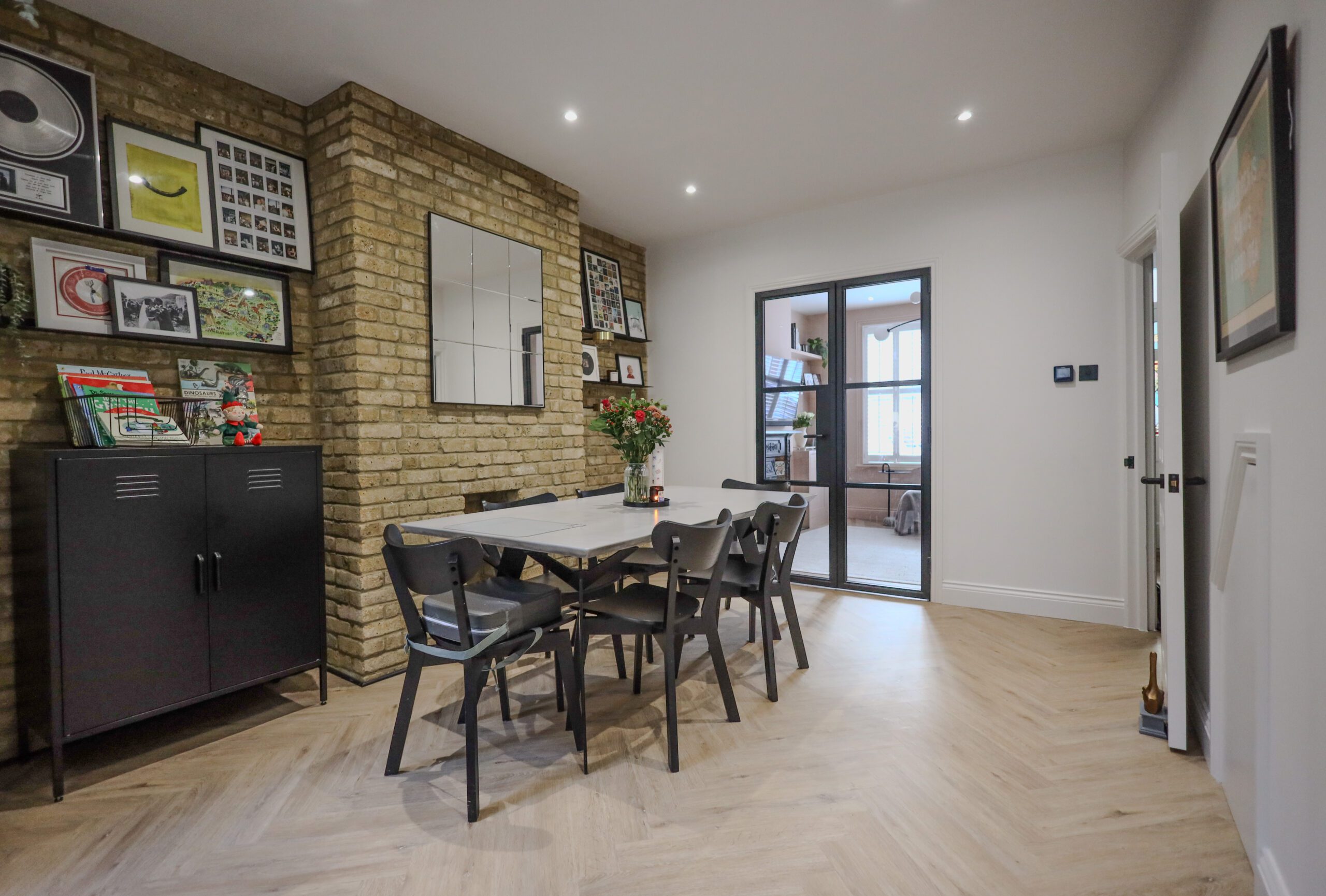
The St Albans Property Market: Why Renovation ROI Matters More Here
St Albans is one of the UK’s most competitive property markets. Average house prices regularly exceed £600,000, with Victorian terraces and semi-detached period homes in postcodes like AL1 and AL3 frequently commanding a significant premium over comparable modern properties. According to Rightmove data, St Albans has seen consistent year-on-year price growth, making it one of the top locations in the Southeast for property investment.
This matters because in a high-value market, smart renovation decisions don’t just recoup costs they can generate returns of 15–30% above the national average. But the type of renovation and the type of property you start with will significantly affect your outcome.
Victorian Houses in St Albans: The Case for Period Property Renovation
What Makes Victorian Homes So Desirable?
Victorian properties built between 1837 and 1901 have an enduring appeal that modern homes simply cannot replicate. High ceilings, bay windows, original fireplaces, solid brick construction, and generous room proportions are features that buyers consistently pay a premium for. In St Albans, streets such as Clarence Road, Sandpit Lane, and the conservation areas around the Cathedral are lined with these gems and demand for them never wanes.
Top Victorian House Renovation Projects That Add Value in St Albans
- Loft Conversions — Converting a Victorian loft into a master bedroom with en suite is one of the highest-ROI projects available. In St Albans, a well-executed loft conversion can add £80,000–£120,000 to a period property’s value, often returning 60–75% of build costs in added equity.
- Rear Extensions — Opening up the ground floor with a kitchen extension or kitchen-diner creates the open-plan living space modern buyers expect, while preserving the Victorian character at the front. Rear extensions on Victorian semis in St Albans regularly deliver an ROI of 50–65%.
- Basement Conversions — Many Victorian homes in St Albans have under-utilised cellars. A full basement conversion to habitable living space can add £150,000+ to the value of larger period homes.
- Period Feature Restoration — Restoring original sash windows, cornicing, ceiling roses, and fireplaces rather than replacing them preserves the authentic character buyers pay a premium for. Stripping out period features is one of the costliest renovation mistakes you can make.
- Full Bathroom and Kitchen Upgrades — Installing high-spec kitchens and bathrooms in keeping with the property’s style elevates perceived value significantly. In St Albans’ competitive market, buyers expect premium finishes.
Modern Homes in St Albans: Can Upgrades Compete?
Modern new-build homes particularly those built post-2000 offer a different renovation proposition. They’re typically more energy-efficient to begin with, require less structural remediation, and come with fewer surprises. But they also start from a higher baseline in terms of specification, which limits the ceiling for added value.
Where Modern Home Upgrades Add Value
- Extensions and Extra Bedrooms — Modern homes on larger plots can benefit from side or rear extensions. Adding a fourth bedroom to a three-bedroom modern home in St Albans can push a property into a higher price bracket, potentially adding £50,000–£80,000.
- Smart Home Technology — Installing smart heating, security systems, and home automation appeals to tech-savvy buyers and can add 3–5% to a modern property’s value.
- Energy Efficiency Improvements — Upgrading to an EPC rating of B or above through solar panels, air source heat pumps, or enhanced insulation is increasingly important. From 2025 onwards, properties with poor EPC ratings face greater buyer resistance and potential mortgage difficulties.
- Garden Rooms and Home Offices — Post-pandemic demand for home office space remains strong. A high-quality garden room or outbuilding can add £20,000–£40,000 to a modern property in a desirable St Albans suburb.
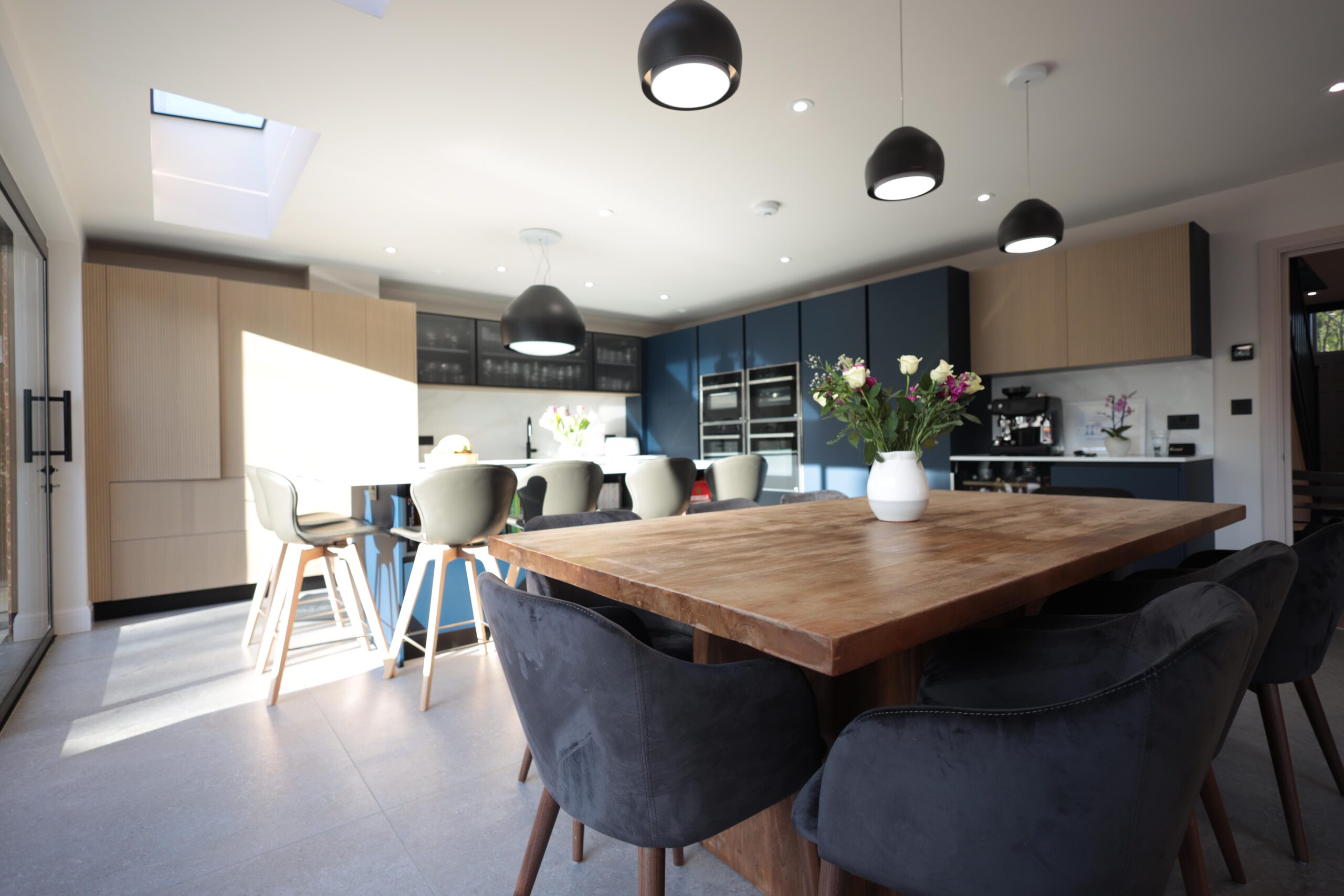
What Factors Affect the Cost of Renovating a Victorian House in St Albans?
One of the most common questions we hear from homeowners is: ‘how much will my renovation cost?’ The truthful answer is that every Victorian property in St Albans is different and the cost of renovation is shaped by a combination of factors unique to your home, your goals, and the scope of work involved. Understanding these variables is the first step to budgeting realistically and avoiding nasty surprises mid-project.
1. The Current Condition of Your Property
Victorian homes in St Albans can vary enormously in condition. A well-maintained period property with modern services already in place will cost significantly less to renovate than one that requires re-wiring, new plumbing, damp treatment, or structural remediation. Always commission a full building survey before setting your renovation budget uncovering issues after work starts is far more expensive than identifying them upfront.
2. The Scope and Complexity of the Work
A cosmetic refresh new kitchen, bathroom, and decoration sit at a very different price point to a structural project such as a loft conversion, rear extension, or basement conversion. The more structural the work, the more variables come into play: foundations, party wall agreements, structural engineer fees, building control, and specialist subcontractors all add to the overall investment. In St Albans, projects within conservation areas or on listed buildings also carry additional requirements that affect both cost and timescale.
3. Materials and Specification
The materials and finishes you choose to have a significant impact on the final cost. A period-appropriate kitchen with hand-painted cabinetry and natural stone worktops represents a very different investment to a standard off-the-shelf fit-out. For Victorian properties in St Albans, we generally recommend specifying materials that complement the original character of the home both for visual quality and for long-term value at resale. Your specification choices should always be aligned with your property’s ceiling value in the local market.
4. Planning and Building Regulations Requirements
Many renovation projects on Victorian homes fall under Permitted Development rights and do not require formal planning permission. However, properties within St Albans’ conservation areas, listed buildings, or those subject to Article 4 Directions may require full planning consent — adding time, professional fees, and design constraints to your project. Building Regulations approval is required for most structural works regardless of planning status and should be factored into your project programme and budget from day one.
5. Site Access and Location Within St Albans
Practical site logistics affect cost more than many homeowners realise. Properties on tight terraced streets in central St Albans, or homes with restricted rear access, can make material deliveries and waste removal more complex and time-consuming. If scaffolding is required on a busy road, additional licences and traffic management may be needed. Your contractor should assess these factors during the initial site visit and factor them into your quotation.
6. The Contractor You Choose
The most important factor of all. An experienced, reputable contractor who specialises in period properties will price your project fairly, manage risks proactively, and deliver quality work that adds genuine value. Choosing on price alone is one of the costliest mistakes in renovation — remedying poor workmanship on a Victorian property often costs more than the original saving. Always check credentials, request references, and review examples of completed projects before appointing a builder.
So, Which Adds More Value: Victorian or Modern?
Across almost every major renovation category, a well-executed Victorian house renovation in St Albans outperforms modern home upgrades in terms of added value and return on investment. Here’s why:
- Larger Value Gap to Bridge — Victorian homes in St Albans often sell below their potential ceiling. A run-down period terrace might be priced at £550,000, while a comparable fully renovated example could achieve £750,000+. That £200,000 gap is your opportunity.
- Character Commands a Premium — The St Albans market is dominated by buyers who specifically seek period properties. Original features that have been sensitively restored consistently command 8–12% above equivalent modern homes.
- More Scope for Space Creation — Victorian homes typically have larger plots, higher ceilings (making loft conversions more spacious), and more structural flexibility for extensions.
- Permitted Development Opportunities — Many Victorian homes in St Albans fall within permitted development rights for extensions and loft conversions, simplifying the planning process and reducing project timelines.
Important caveat: Victorian homes carry higher upfront renovation risk. Hidden problems damp, outdated wiring, failing drainage, structural movement are common and can add significant costs if not identified during surveys. This is why choosing an experienced local renovation contractor who understands St Albans’ period housing stock is critical.
Common Victorian Renovation Mistakes That Kill Your ROI
Even in a strong market like St Albans, poor renovation decisions can wipe out your returns. The costliest mistakes we see include:
Removing original period features: Buyers pay a premium for original fireplaces, coving, and sash windows. Replacing them with modern equivalents can reduce value by up to 10%.
- Over-capitalising on fixtures: A £50,000 kitchen in a £400,000 Victorian terrace will not return its cost. Match your specification to your property’s ceiling value.
- Ignoring damp and structural issues: Cosmetic upgrades on top of unresolved damp or subsidence will come back to haunt you during surveys and potentially collapse a sale.
- Skipping proper planning advice: Some properties in St Albans sit within conservation areas. Extensions and alterations must comply with strict local guidelines failing to do so can result in enforcement notices and costly remediation.
- Choosing price over experience: The cheapest builder is rarely the most cost-effective choice. Shoddy workmanship on a listed or period property can cost significantly more to rectify than the original saving.
Planning Your Victorian House Renovation in St Albans: Where to Start
Whether you’re planning a loft conversion, a full house refurbishment, or a sympathetic period restoration, the process in St Albans follows a clear sequence:
- Building Survey First — Commission a full structural survey before purchasing or committing to renovation budgets. This identifies hidden issues and gives you a realistic cost baseline.
- Confirm Planning Requirements — Check whether your property is in a St Albans conservation area, is listed, or falls within Article 4 Directions that remove permitted development rights. St Albans City & District Council’s planning portal is your first port of call.
- Define Your Value Strategy — Are you renovating to sell, to let, or to live in long-term? Your answer shapes which projects to prioritise. Extensions add the most resale value; energy improvements matter most for rental yield and compliance.
- Appoint an Experienced Local Contractor — Period property renovation requires specific skills and local knowledge. Your contractor should have a track record with Victorian properties in Hertfordshire and understand local planning nuances.
- Stage Your Works Intelligently — Address structural and damp issues first, then services (electrical, plumbing), then fixtures and finishes. Reversing this order is a costly mistake.
Frequently Asked Questions: Victorian House Renovation in St Albans
How much does it cost to renovate a Victorian house in St Albans?
Costs vary significantly depending on the project scope. A full Victorian house renovation in St Albans typically ranges from £80,000 to £300,000+. A loft conversion costs £45,000–£80,000, a rear extension £35,000–£90,000, and a full kitchen refurbishment £15,000–£40,000. ACR Build provides detailed, transparent quotes for all project types.
Do I need planning permission to extend a Victorian house in St Albans?
Many extensions and loft conversions fall under permitted development rights and do not require full planning permission. However, properties in St Albans’ conservation areas, listed buildings, or those subject to Article 4 Directions may require planning consent. We recommend confirming this with St Albans City & District Council or through a pre-application enquiry before committing to any work.
Is it worth buying a run-down Victorian house in St Albans?
In St Albans, a run-down Victorian property can represent excellent value if the purchase price accurately reflects the cost of renovation works. Properties needing full refurbishment are often discounted by £100,000–£200,000 below comparable renovated examples, creating significant uplift potential for buyers willing to invest in the work.
What is the best renovation to add value to a Victorian house?
Based on our St Albans project data, loft conversions and rear extensions consistently deliver the strongest return on investment for Victorian homes. Loft conversions that create an additional bedroom with en suite can add £80,000–£120,000 in value for a typical investment of £50,000–£75,000.
How long does a Victorian house renovation take in St Albans?
Timescales depend on the scope of works. A loft conversion typically takes 8–12 weeks; a rear extension 12–16 weeks; a full house refurbishment 6–12 months. Planning permission (where required) adds 8–13 weeks to these timelines. ACR Build provides detailed project programmes at the outset of every project.
Ready to Unlock Your Victorian Home’s Full Value in St Albans?
Whether you’re planning a loft conversion, a kitchen extension, a full period renovation, or a sympathetic refurbishment, ACR Build has the local expertise, craftsmanship, and project management skills to deliver outstanding results on time and on budget.
We’ve helped homeowners across St Albans, Harpenden, Radlett, and the wider Hertfordshire area transform their properties and achieve exceptional returns. Our team understands both the opportunities and the challenges that come with St Albans’ unique mix of period and modern housing stock.
📞 Contact ACR Build today consultation
Let’s talk about how we can maximise the value of your St Albans property whether it’s a beautiful Victorian terrace or a modern family home.
Follow our social media channels, Facebook, Instagram, Linkedin and YouTube to see the latest developments from our property portfolio.